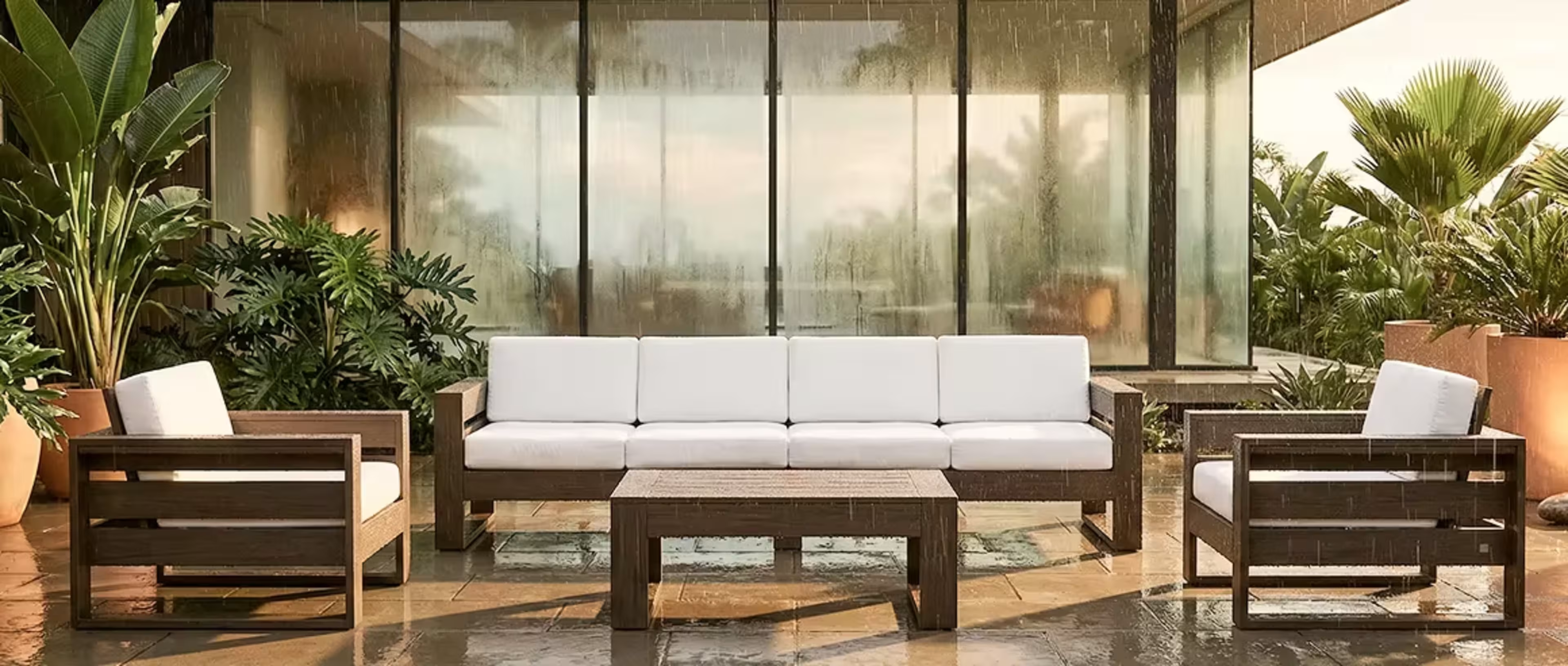
Best Patio Furniture for Rainy and Humid Climates
Outdoor Furniture for Humidity
The best patio furniture for rainy and humid climates is made from high-quality materials such as teak, aluminum, recycled polymer (HDPE), and all-weather wicker with performance fabrics. These materials resist moisture, mildew, rust, and warping, making them ideal for outdoor spaces exposed to frequent rain and high humidity.
Wherever you live, one thing is certain: outdoor furniture is constantly exposed to the elements. In climates where rain is frequent or humidity lingers, that exposure becomes even more demanding. Choosing the right materials isn’t just about style. It’s about ensuring your outdoor space remains as beautiful and functional as the day you designed it.

Why Humid and Rainy Climates Require Smarter Choices
Moisture is one of the most damaging forces for outdoor furniture. In humid or rainy environments, it can lead to:
Mold and mildew buildup
Rust and corrosion
Warping, cracking, or rotting
Fading and fabric breakdown
Not all outdoor furniture is created equal. Materials that perform well in dry climates may struggle in areas with consistent moisture. That’s why selecting weather-resistant materials is essential for long-term performance

What to Look for in Patio Furniture for Humid Climates
When shopping for the best patio furniture for humid climates, focus on a few key performance factors:
Moisture Resistance: Materials should repel or withstand water without absorbing it.
Rust Resistance: Frames and hardware should resist corrosion, even after repeated exposure to rain.
Mildew Resistance: Fabrics and surfaces should discourage mold growth.
Durable Finishes: Powder coatings, sealed woods, and engineered materials offer added protection.
Performance Fabrics: Outdoor cushions should be designed to dry quickly and resist fading and mildew.

Teak: The Gold Standard for Outdoor Furniture
When it comes to durability, teak remains unmatched. Naturally rich in oils and dense in structure, premium teak is inherently water-repellent. It resists rot, warping, and cracking, even in high humidity and frequent rain.
Over time, teak develops a soft silver patina, adding character without compromising performance. Its original honey cover can be preserved through periodic maintenance or easily restored with a bit of elbow grease. High-quality teak outdoor furniture will last generations, and for homeowners seeking longevity and low maintenance, teak is one of the most durable patio furniture options for rain-prone environments.
Why teak works:
Naturally repels moisture
Highly resistant to mildew and pests
Performs beautifully year-round

Aluminum: Lightweight and Rust-Resistant
Aluminum is a go-to material for humid climates thanks to its inherent resistance to rust. When paired with a high-quality powder-coated finish, aluminum furniture becomes even more resilient, standing up to rain, humidity, and coastal conditions. It’s also lightweight, making it easy to move and reconfigure your outdoor space.
Why it works:
Resistant to rust
Durable powder-coated protection
Low maintenance and easy to clean

Recycled Polymer (HDPE): Built for Moisture
High-density polyethylene (HDPE), often referred to as recycled polymer, is engineered specifically for outdoor durability. Unlike wood, it won’t absorb water, crack, or splinter. It’s also highly resistant to mildew, making it one of the best patio furniture materials for humid climates. Trusted brands like POLYWOOD manufacture HDPE furniture that lasts outdoors for decades.
Why it works:
Impervious to moisture
Resistant to mildew and rot
Easy to clean and maintain

All-Weather Wicker: Durable with the Right Construction
Not all wicker is created equal. Synthetic resin wicker, when woven over a rust-resistant aluminum frame, performs exceptionally well in rainy environments. It offers the texture and warmth of traditional wicker with far greater durability.
Why it works:
Moisture-resistant synthetic fibers
Typically paired with rust-proof frames
Designed for outdoor exposure

Performance Fabrics: Made for the Outdoors
Cushions and upholstery matter just as much as frames.
High-performance outdoor fabrics like Sunbrella are engineered to resist moisture, mildew, and UV damage. When paired with quick-dry foam inserts, they help prevent that damp, musty feeling after a rainstorm.
Why it works:
Mildew-resistant fibers
Fade-resistant color technology
Quick-drying construction
Related: Outdura vs. Sunbrella Fabrics
Related: How to Choose the Best Outdoor Fabric

Materials to Be Cautious With
In humid and rainy climates, some materials require extra care or should be avoided altogether:
Steel without protective coating: Prone to rust
Untreated or low-grade wood: Can warp, crack, or rot
Low-quality wicker: May break down quickly with moisture exposure
Investing in higher-quality materials upfront prevents costly replacements later.

How to Extend the Life of Your Patio Furniture
Even the most durable materials benefit from thoughtful care. A few simple habits can help protect your investment:
Use high-quality furniture covers during heavy rain
Allow airflow beneath cushions to prevent trapped moisture
Clean surfaces periodically to remove dirt and buildup
Store or elevate cushions during extended wet periods

Choosing Furniture Built for Your Climate
Designing an outdoor space in a humid or rainy climate doesn’t mean compromising on beauty. It simply requires choosing materials engineered to perform. Teak, aluminum, HDPE, all-weather wicker, and performance fabrics all offer exceptional durability, helping your patio stay comfortable, functional, and visually refined through every season.
With the right materials, your outdoor space becomes what it was meant to be: a place to relax, gather, and enjoy rain or shine.