Let's Make it (Email) Official
Become an AuthenTEAK Insider and be first to know about new collections, exclusive sales, and special offers.
Let's Make it (Email) Official
Become an AuthenTEAK Insider and be first to know about new collections, exclusive sales, and special offers.

Outdoor spaces—and your outdoor furniture— are an extension of your home, your lifestyle, and how you gather. Whether you’re hosting alfresco dinners, enjoying quiet mornings on the patio, or creating a backyard retreat that rivals your favorite resort, the furniture material you choose matters more than you might think.
Two of the most trusted materials in high-end outdoor design are teak and aluminum. Both perform beautifully outdoors. Both offer durability, longevity, and thoughtful design. But they serve different lifestyles, aesthetics, and maintenance preferences. Understanding those differences is key to making a confident investment you’ll enjoy for years to come.
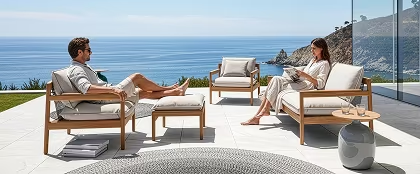
Teak has long been considered the gold standard of outdoor furniture materials, and for good reason. Naturally rich in oils and dense hardwood fibers, teak is inherently resistant to moisture, rot, insects, and temperature fluctuations. It thrives outdoors in a way few materials can.
Visually, teak brings warmth and character to an outdoor space. Fresh teak has a honey-golden tone that gradually softens into a silvery-gray patina over time if left untreated (a look many homeowners love for its relaxed, coastal elegance). Teak works beautifully in traditional, coastal, and organic-modern settings, offering a timeless presence that never feels trend-driven.
Teak is an investment material, and its upfront cost reflects its longevity and craftsmanship. Maintenance is optional: homeowners can allow teak to naturally patina or periodically clean and treat it to preserve its original color. The choice comes down to personal preference rather than performance.

Aluminum is a modern outdoor favorite thanks to its clean lines, lightweight construction, and low-maintenance appeal. Unlike steel or iron, aluminum does not rust, making it especially well-suited for humid, rainy, or coastal climates.
High-quality aluminum furniture is typically finished with durable powder coatings that add color, texture, and additional protection against the elements. From sleek contemporary silhouettes to softer transitional designs, aluminum offers tremendous design flexibility.
Aluminum doesn’t offer the same organic warmth as natural wood, which can feel cooler in some settings. Additionally, quality varies widely; well-constructed frames and premium finishes make a meaningful difference in long-term performance and comfort.

When comparing teak and aluminum outdoor furniture, it helps to look beyond aesthetics and consider how each material performs day-to-day.

Choosing between teak and aluminum isn’t about which is better; it’s about which fits your lifestyle. Climate, usage, and how you want your space to feel should guide the decision.

High-quality outdoor furniture is an investment in how you live. Materials like teak and aluminum outperform trend-driven alternatives, offering comfort, durability, and beauty that hold up year after year.
At AuthenTEAK, we curate premium outdoor furniture from trusted brands ,that prioritize materials that perform as beautifully as they look. Our team helps you navigate these choices with confidence, ensuring your outdoor space reflects both your style and how you actually live.
Related: Luxury Outdoor Furniture Investments to Make in 2026
Related: What’s the Best Outdoor Furniture Material?
Categories
Recent Posts