Let's Make it (Email) Official
Become an AuthenTEAK Insider and be first to know about new collections, exclusive sales, and special offers.
Let's Make it (Email) Official
Become an AuthenTEAK Insider and be first to know about new collections, exclusive sales, and special offers.

If you’ve invested in high-quality outdoor furniture, you already understand that longevity matters. Proper maintenance and care of outdoor furniture are essential steps to preserving the look and extending the longevity of your investment.
Winter and spring require very different protection strategies. In winter, you’re guarding against freezing temperatures, snow, and trapped moisture. In spring, the bigger concerns are pollen, rain cycles, and humidity swings.
Here’s how to be smart about protecting your outdoor space without over-covering or accidentally trapping moisture where airflow is needed.

Winter protection is about shielding furniture from prolonged moisture, snow accumulation, and freezing conditions.
These pieces benefit most from winter patio furniture covers:
Outdoor cushions and upholstered deep seating: Ideally, remove cushions and store them in a dry space, such as a storage shed or deck box. Even with waterproof patio furniture covers, trapped moisture can lead to mildew over time.
Rope furniture: While durable, rope can hold moisture. Covering prevents freeze-thaw cycles from weakening fibers.
Wicker furniture: Resin wicker is weather-resistant but can collect snow and ice in its weave. Winter covers for patio furniture help prevent expansion and cracking in extreme cold.
Fire pits and patio heaters: Gas components should always be protected from snow and moisture.
Outdoor dining tables with expansion leaves: Moving parts are more vulnerable to moisture infiltration during the winter months.
Umbrellas: Clean, dry, close, and cover your umbrella for winter, or ideally store it indoors for the season.
Outdoor kitchens: If you have an outdoor kitchen, winterizing appliances is equally important. See our guide to winterizing outdoor kitchens for more details.

Teak outdoor furniture: High-quality teak is naturally weather-resistant and can remain outdoors uncovered. However, if your space is heavily exposed to snow or pooling water, breathable covers add an extra layer of protection.
Powder-coated aluminum outdoor furniture: Marine-grade aluminum handles winter well, but covering in areas with heavy snow reduces cleanup and long-term wear.
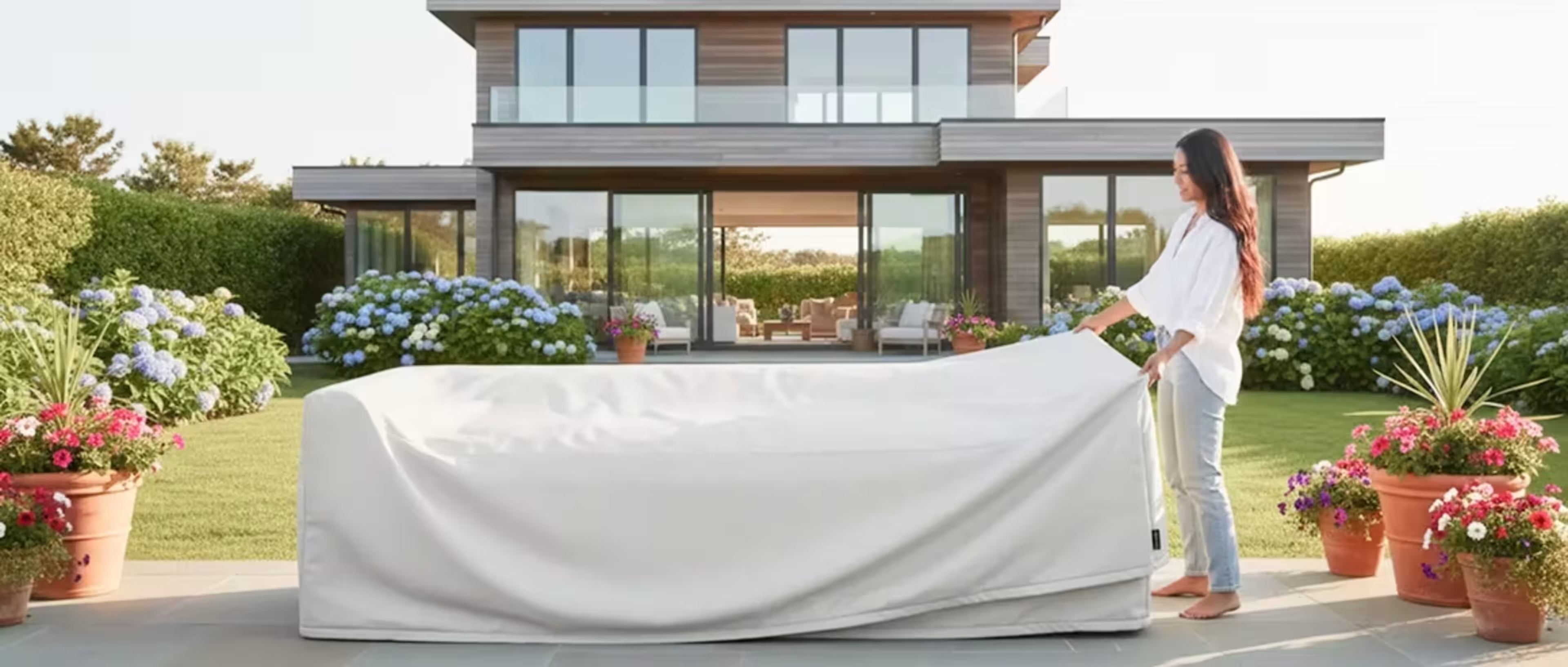
When learning how to cover patio furniture for winter, remember that tightly wrapping furniture in non-breathable plastic can cause more damage than leaving it exposed. Moisture needs to escape. Look for covers designed specifically for patio furniture made with breathable fabric and built-in ventilation panels to prevent condensation buildup.

Spring protection is different than winter. Instead of freezing temperatures, you’re managing obstacles like moisture cycles, debris, and heavy pollen. Spring is less about insulation and more about cleanliness and mold prevention.
Outdoor cushions during extended rain periods: Even performance fabrics benefit from being covered in between uses during heavy rain stretches.
Upholstered seating when not in use: Particularly in humid climates, keeping cushions dry reduces mildew risk.
Fire pits when not in use: Rainwater can pool in burners or fire bowls.
Dining tables during peak pollen season: If you’re not using your table daily, covering it minimizes the need for constant cleaning.

This is where many homeowners make mistakes. Spring is about strategic covering. If the weather is dry and mild, let your furniture breathe.
Teak furniture: Teak needs airflow. Leaving it under waterproof patio furniture covers during warm, humid weeks can trap moisture and encourage mold.
Aluminum frames: These don’t require full-time spring coverage; occasional cleaning is usually sufficient.

Covering and storing are not the same strategy. If you have space, storing cushions indoors during winter is always preferable to relying solely on winter covers for patio furniture.
Store (Best for Winter):
Cushions
Umbrellas
Lightweight accessories
Throw pillows
Cover (Best for Weather Events):
Fire pits
Dining tables
Deep seating frames
Outdoor heaters

Not all patio furniture covers are created equal. Look for:
Breathable fabric to allow airflow
Tailored fit to prevent pooling water
Secure ties or straps for wind protection
Ventilation panels to reduce condensation
Weather-resistant stitching for durability
Avoid plastic tarps or fully sealed materials that trap moisture underneath. Explore our collection of patio furniture covers designed specifically for outdoor furniture and engineered to balance protection with proper airflow. Protecting your outdoor space isn’t about covering everything all the time. It’s about understanding material performance and seasonal stressors.
Categories
Recent Posts